Choosing the Right Blower Housing for Your HVAC System
Understanding HVAC Blower Housing
What is Blower Housing?
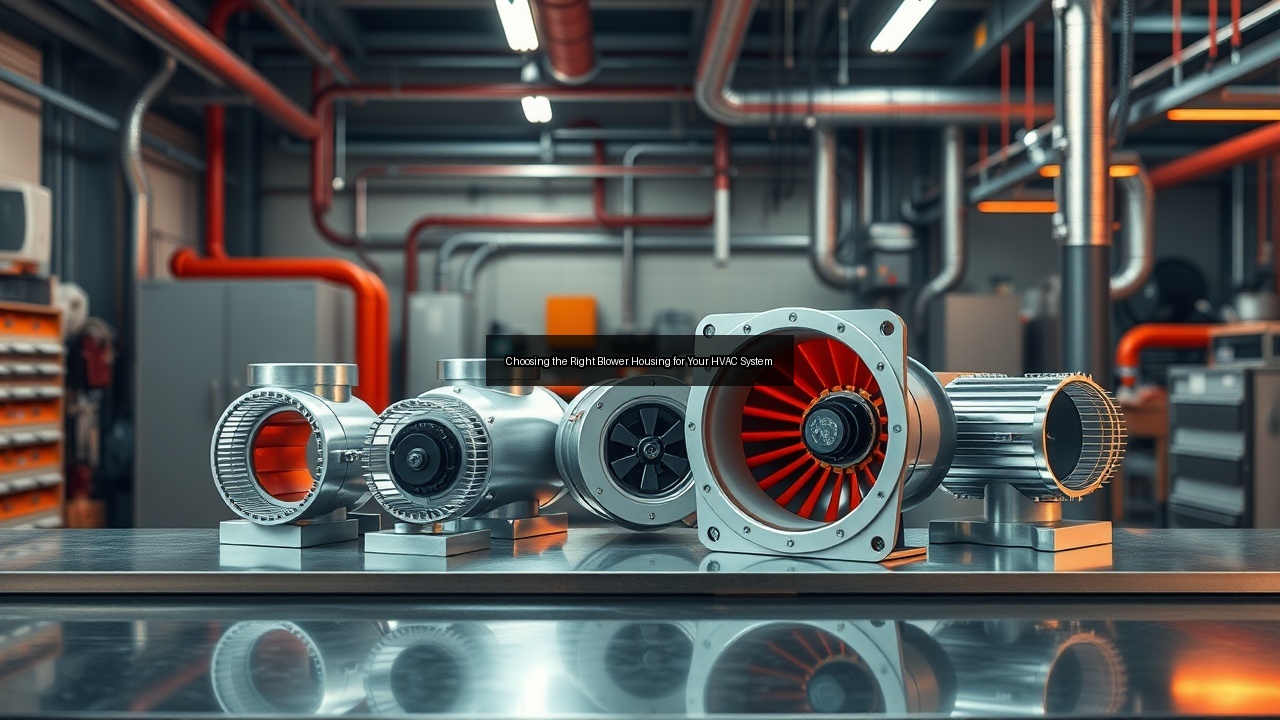
The HVAC blower housing serves as the protective enclosure that surrounds the blower fan and blower motor in any central air system. This component directs airflow efficiently through the hvac while shielding internal parts from dust and debris. Technicians often refer to it as the blower housing assembly because it integrates the cage, motor mount, and scroll design into one unit. Homeowners searching for an ac blower replacement quickly discover that the housing determines how well the entire blower fan assembly performs. Proper sizing ensures the blower fans move the correct volume of air without strain on the hvac blower motor. Many units feature a single-inlet or double-inlet design that matches specific furnace or air conditioner layouts. Selecting the correct HVAC blower housing prevents vibration issues and extends equipment life. Replacement parts typically include mounting holes aligned for standard blower motors and ball bearing supports.
The Role of Blower Housing in HVAC Systems
Blower housing plays a central role in every hvac system by channeling air from the blower fans across the heat exchanger or evaporator coil. It creates the necessary pressure differential that pushes conditioned air through ducts. Without a well-designed blower housing, airflow becomes turbulent and energy consumption rises. The enclosure also isolates the blower motor from moisture and contaminants that could damage the ball bearing assembly. In furnace applications, the housing withstands high temperatures while maintaining structural integrity. Air conditioner models rely on the same housing to manage cooler, more humid conditions. Regular inspection of the HVAC blower housing reveals early signs of corrosion or loose mounts that affect overall system efficiency. Upgrading an older blower housing often restores proper static pressure and improves comfort levels throughout the home.
Common Types of Blower Housings
HVAC technicians encounter several blower housing types during service calls. Forward-curved cage designs dominate residential furnaces because they deliver high airflow at lower speeds. Backward-curved models appear more often in commercial hvac systems where higher static pressure is required. Single-width housings fit compact furnace cabinets, while double-width versions accommodate larger blower fans. Some aftermarket blower housings feature reinforced metal scrolls that reduce noise compared with older plastic units. Material choice directly influences durability when the hvac operates in humid or coastal environments. Matching the housing type to the existing blower motor speed and horsepower prevents motor overload. Many suppliers stock furnace blower housing assemblies complete with the cage already balanced for quick installation.
Selecting the Right Blower Housing for Your System
Compatibility with HVAC System Components
Compatibility starts with verifying that the new HVAC blower housing aligns with the existing blower motor shaft, mounting brackets, and air filter access panels. Mismatched dimensions create gaps that allow air leakage and reduce system efficiency. Furnace blower housing units must also clear the heat exchanger and burner assembly without obstruction. Air conditioner applications require clearance around the evaporator coil so condensate drains properly. Checking the OEM part number against aftermarket cross-reference guides saves time during replacement. Technicians measure the blower wheel diameter and width first, then confirm the motor horsepower and rotation direction. Proper fit ensures the cage spins freely inside the housing without rubbing the scroll. Always compare voltage requirements and wiring harness locations before purchase.
Factors to Consider: Size and Dimensions
Size and dimensions dictate performance more than any other factor when choosing a blower housing. Measure the cabinet opening width, depth, and height before ordering a replacement. An undersized housing restricts airflow and forces the blower motor to work harder, shortening its service life. Oversized units may not seal correctly against the air filter rack, allowing bypass. Pay close attention to inlet and outlet diameters so duct connections remain airtight. Many manufacturers publish detailed dimension drawings that include motor mount locations and cage clearance. Recording the original housing measurements prevents costly returns. In retrofit projects, confirm that the new blower housing assembly fits within the existing furnace or air handler footprint without requiring cabinet modifications.
Material Choices for Durability
Material selection affects long-term reliability of any HVAC blower housing. Galvanized steel offers excellent corrosion resistance and structural strength for furnace applications exposed to combustion byproducts. Powder-coated aluminum reduces weight while maintaining durability in air conditioner installations. Some budget aftermarket options use heavy-gauge plastic that withstands moisture but can crack under heat stress. Reinforced seams and welded joints prevent air leaks that waste energy. Ball bearing supports integrated into the housing must resist vibration over thousands of operating hours. Homeowners who review brand feedback often discover that thicker metal housings outlast thinner alternatives in demanding climates. Choosing a material matched to the operating environment protects the blower fans and motor from premature failure.
Exploring Blower Housing Variants
OEM vs. Aftermarket Blower Housings
OEM blower housings carry the original equipment manufacturer specifications and typically include precise tolerances for the cage and motor mount. Many technicians prefer OEM parts when the hvac system remains under warranty because they guarantee fit and performance. Aftermarket blower housings provide cost savings and often incorporate design improvements such as heavier gauge metal or better-balanced wheels. Quality varies widely among aftermarket brands, so reading recent customer feedback helps identify reliable suppliers. Some aftermarket assemblies arrive with upgraded ball bearing motor mounts that reduce noise. Always verify that the replacement maintains the same airflow rating as the original HVAC blower housing. Both options require correct alignment during installation to avoid vibration and premature wear on the blower motor.
Differences Between Furnace and Air Conditioner Blower Housings
Furnace blower housing designs prioritize heat resistance and often feature additional insulation around the scroll to protect nearby components. The cage must handle higher discharge temperatures without warping. Air conditioner blower housings emphasize moisture resistance and smoother interior surfaces that reduce condensate buildup. Drain pan clearance and coil access become critical dimensions in cooling applications. Some universal housings work in either furnace or air conditioner setups, but dedicated models deliver better efficiency. Furnace units frequently include larger inlet openings to accommodate higher heating airflow rates. Air conditioner housings may incorporate sloped bottoms that direct water away from the blower motor. Matching the housing type to the primary function of the hvac system prevents performance compromises.
Cage Design and Its Impact on Performance
Cage design directly influences how effectively the blower fans move air through the HVAC blower housing. Squirrel-cage wheels with forward-curved blades produce high volume at moderate speeds and suit most residential furnaces. Backward-inclined cages generate higher pressure for systems with restrictive ductwork. Blade count, curvature, and balance quality determine noise levels and energy use. A poorly balanced cage creates vibration that stresses the ball bearing and shortens motor life. Manufacturers often offer upgraded cages with improved aerodynamics that increase efficiency without changing motor horsepower. When replacing a blower housing assembly, technicians inspect the old cage for damage or imbalance before installing the new unit. Proper cage selection restores full system capacity and reduces operating costs.
Maintenance and Troubleshooting Tips
How to Maintain Your Blower Housing
Routine maintenance keeps the HVAC blower housing operating at peak efficiency. Begin by turning off power to the unit and removing the access panel. Vacuum dust from the exterior and inspect the air filter for clogs that force the blower motor to overwork. Clean the cage blades gently with a soft brush to restore smooth airflow. Lubricate accessible ball bearing points according to the manufacturer schedule. Check mounting bolts for tightness and examine the housing seams for gaps that allow air bypass. Replace the air filter every one to three months depending on household conditions. Annual professional inspections catch early wear on the blower fans before problems escalate. Keeping the housing clean extends the life of both the motor and the entire hvac system.
Signs of Wear and When to Replace
Unusual noises such as rattling or grinding often indicate that the blower housing or cage needs attention. Reduced airflow from vents signals possible internal damage or misalignment. Visible cracks, rust, or dents in the housing compromise structural integrity and allow air leaks. Excessive vibration transmitted through ductwork points to an unbalanced cage or worn ball bearing. When these symptoms appear together, replacement of the blower housing assembly becomes necessary. Continuing to operate a damaged unit risks motor failure and higher energy bills. Compare the cost of repair against a new HVAC blower housing that includes an upgraded cage design. Prompt replacement restores quiet operation and reliable comfort.
Understanding Warranty and Feedback from Brands
Warranty coverage varies significantly among HVAC blower housing brands. OEM parts usually carry longer protection periods that align with the original equipment warranty. Aftermarket suppliers may offer one- to five-year coverage depending on the model. Reading recent customer feedback reveals real-world experiences with durability and noise levels. Look for mentions of easy installation, proper fit with standard blower motors, and resistance to corrosion. Some brands provide detailed warranty registration instructions that protect buyers against defects. Checking return policies before purchase adds peace of mind. Positive feedback on blower housing performance often highlights improved airflow and quieter operation compared with the original part. Selecting a reputable brand with strong warranty support ensures long-term value for the hvac system investment.